
How to Build Financial Stability Without Earning a High Income
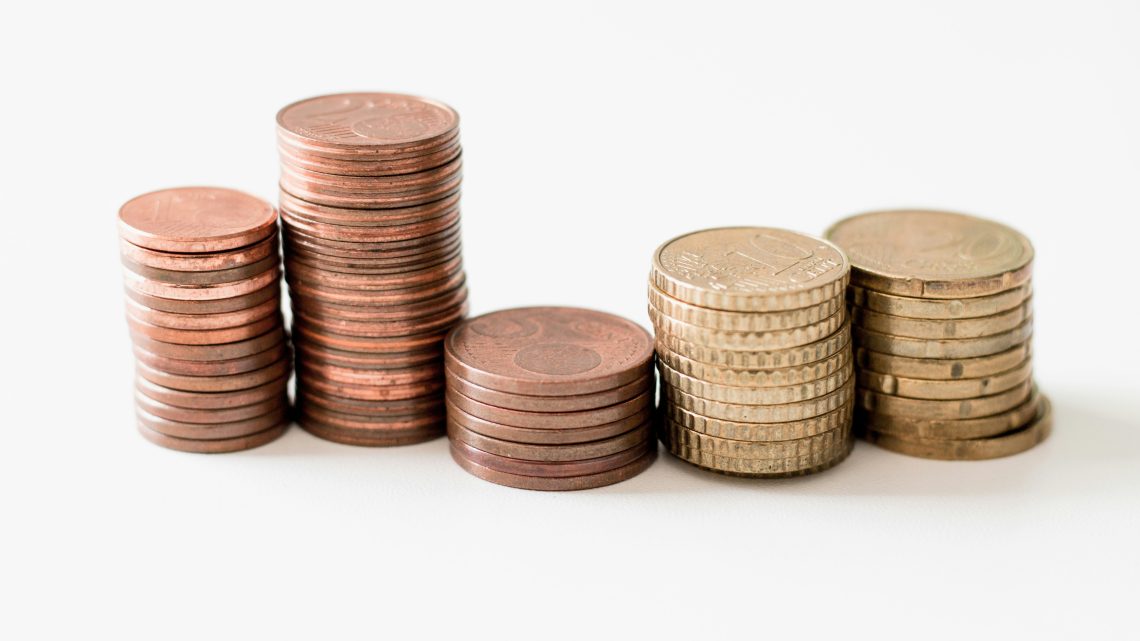
Financial stability is something many people desire, but it can seem difficult to achieve when their monthly income barely covers everyday expenses. Between transportation, housing, food, family responsibilities, and unexpected bills, setting money aside may feel impossible.
However, building financial stability does not always require earning an exceptionally high salary. Although a higher income can make saving easier, developing effective financial habits can help people make progress at different income levels.
The important thing is understanding how to manage available resources, reduce financial vulnerability, and gradually create opportunities for growth.
What Is Financial Stability?
Financial stability is the ability to meet regular financial obligations, handle unexpected expenses, and work toward future goals without experiencing constant financial pressure.
It does not necessarily mean being wealthy or owning expensive possessions.
A financially stable person may simply have enough money to cover essential needs, some emergency savings, and a realistic plan for future expenses.
For someone earning a modest income, achieving this level of stability may require patience, planning, and careful prioritisation.
Why Is Financial Stability Important?
Financial stability affects more than a person’s bank account. It can influence career decisions, family responsibilities, and general well-being.
When people have some financial security, they may be better positioned to respond to emergencies without relying immediately on expensive borrowing.
It can also provide greater freedom to pursue opportunities such as additional education, business ownership, or professional development.
How Can You Build Financial Stability on a Modest Income?
1. Understand where your money goes
Begin by reviewing your income and essential expenses. Identify spending patterns that may be preventing you from setting money aside.
This does not mean eliminating everything enjoyable. It means recognising which expenses are necessary and which can be adjusted.
2. Create a realistic savings habit
Instead of setting an amount that is difficult to maintain, start with a manageable savings target.
Even small contributions can help establish the habit of preparing for future needs.
3. Build an emergency fund
Unexpected medical bills, repairs, or temporary income disruptions can create financial difficulties.
An emergency fund provides a financial cushion. Build it gradually, according to what your income allows.
4. Improve your earning potential
Look for opportunities to strengthen your professional skills, apply for better-paying roles, negotiate compensation, or develop an additional income stream.
Increasing income while keeping expenses manageable can accelerate financial progress.
5. Learn about appropriate investment options
Once urgent financial needs are covered, explore regulated savings and investment products suitable for your goals, time horizon, and risk tolerance.
Avoid investments that promise guaranteed high returns without clearly explaining the risks.
What Mistakes Should You Avoid?
Common mistakes include using debt to maintain an unaffordable lifestyle, overlooking small recurring expenses, and investing money needed for essential bills.
Another mistake is comparing your financial progress with people whose income and responsibilities may be completely different.
Conclusion
Building financial stability on a modest income is a gradual process. It requires a combination of spending awareness, sensible savings, income development, and informed financial decisions.
Your journey does not need to begin with a large amount of money. It begins with understanding your financial position and making realistic improvements over time.
Frequently Asked Questions
Can I become financially stable with a small salary?
Yes, financial stability can improve through manageable spending, emergency savings, and income growth, although very low earnings can make progress difficult.
How much should I save every month?
There is no single amount suitable for everyone. Start with what you can afford after essential expenses and necessary debt payments.
Should I save or invest first?
Your choice should depend on your circumstances. Money needed for emergencies or short-term obligations is generally better kept accessible rather than exposed to substantial investment risk.
How We Can Help
We know that access to funding can make or break a woman-owned business. That’s why we created opportunities specifically for entrepreneurs like you.
The Yippitydoo Big Idea Grant is awarded monthly to women entrepreneurs who are ready to take their business to the next level. We give $1,000 each month to a woman with a clear vision and passion for her business — whether you’re just starting out or scaling up. No loan applications. No credit checks. Just funding, plus a one-year membership to our coaching community and a spotlight in the SheBiz Directory.
Apply for the Big Idea Grant: www.yippitydoo.com/small-business-grant-optin
The SheBiz Directory puts your business in front of our community of women entrepreneurs, potential customers, and supporters. Getting featured means visibility, credibility, and connections that can change everything for your brand.
List Your Business in the SheBiz Directory: shebizdirectory.com
You don’t have to build alone. Apply for the Yippitydoo Big Idea Grant. Get listed in the SheBiz Directory. Let us help you get where you’re going
